Whole foods
and
Why they matter





The Benefits of Whole Foods
for a Healthier Life
In today’s fast-paced world, processed and convenience foods often dominate our diets. However, whole foods—foods that are minimally processed and free from artificial additives—offer numerous health benefits that can improve overall well-being.
Here’s why incorporating whole foods into your diet is one of the best choices you can make for your health.


Nutrient Density
Whole foods, such as fruits, vegetables, whole grains, nuts, and lean proteins, are packed with essential nutrients. Unlike processed foods that often lose valuable vitamins and minerals during manufacturing, whole foods retain their natural goodness, providing the body with the fuel it needs to function optimally.
Better Digestion and Gut Health
Whole foods are rich in dietary fiber, which is essential for digestive health. Fiber helps regulate bowel movements, supports gut bacteria, and reduces the risk of digestive disorders such as constipation and irritable bowel syndrome (IBS). Foods like legumes, whole grains, and vegetables keep your digestive system running smoothly.
Reduced Risk of Chronic Diseases
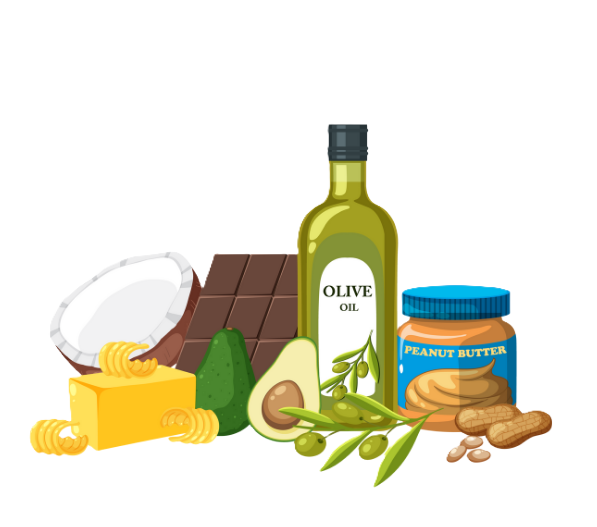
Diets rich in whole foods have been linked to a lower risk of chronic diseases, including heart disease, diabetes, and certain cancers. The antioxidants, healthy fats, and phytonutrients found in whole foods help reduce inflammation and support overall cardiovascular health.
Better Weight Management
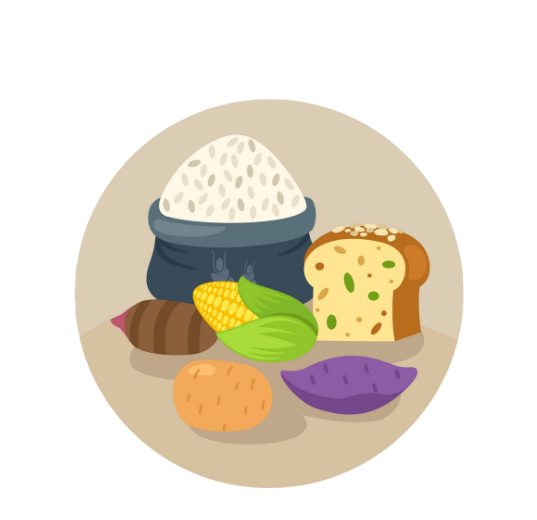
Whole foods are naturally more satisfying and nutrient-dense, helping to control hunger and prevent overeating. Unlike processed foods that can be high in added sugars and unhealthy fats, whole foods keep your energy levels stable
and support a healthy metabolism.
By choosing whole foods over processed alternatives, you can nourish your body with the essential nutrients it needs to thrive.
Start making small changes today and experience the long-term benefits of a whole-food-based diet!